How Technology Is Changing the World as We Know It
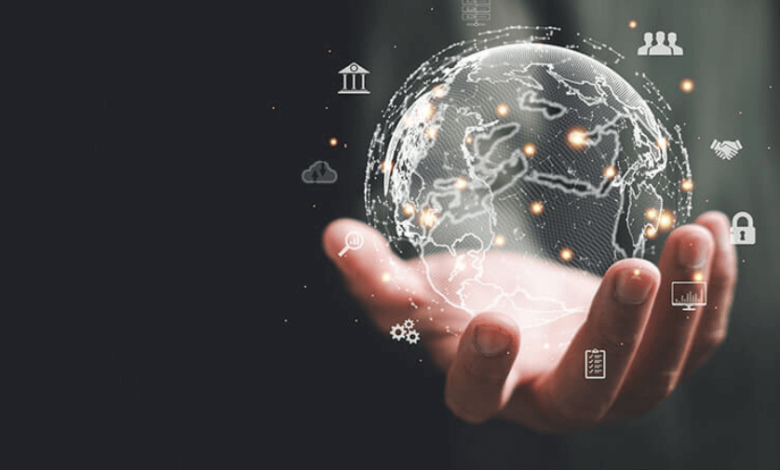
Technology is reshaping the world in profound ways. Communication has evolved, enabling global connections and diverse expressions. In the workplace, automation and remote collaboration redefine traditional roles. Smart devices integrate seamlessly into daily routines, enhancing personal autonomy. However, these advancements also bring ethical dilemmas, particularly regarding privacy and bias. As society grapples with these complexities, the question remains: how will we navigate the balance between innovation and responsibility?
The Evolution of Communication in the Digital Age
How has the digital age transformed the way people communicate?
The rise of social media and instant messaging has revolutionized interpersonal connections, allowing individuals to share thoughts and experiences in real time.
This shift not only enhances accessibility but also fosters global conversations, empowering voices previously marginalized.
As communication becomes more instantaneous, a newfound freedom emerges, enabling authentic expression and dynamic relationships across diverse platforms.
Transforming Work: Automation and Remote Collaboration
The evolution of communication in the digital age has set the stage for significant transformations in the workplace, marked by the rise of automation and remote collaboration.
These advancements foster workplace flexibility, enabling individuals to embrace digital nomadism. As tasks become automated, employees can focus on creative problem-solving, leading to enhanced productivity and greater autonomy in their professional lives.
The Impact of Smart Devices on Daily Life
What role do smart devices play in shaping the everyday experiences of individuals?
Smart home technology and wearable devices seamlessly integrate into daily routines, enhancing convenience and connectivity. They empower users to manage their environments and health efficiently, fostering a sense of autonomy.
As individuals embrace these innovations, their lifestyles evolve, reflecting a growing desire for personalized experiences and greater control over their surroundings.
Navigating Ethical Challenges in a Technological World
As smart devices become increasingly integrated into everyday life, they also bring forth a myriad of ethical challenges that society must confront.
Central to these issues are data privacy concerns and algorithm bias, which can undermine individual freedoms and perpetuate inequality.
Navigating these challenges requires a nuanced understanding of technology’s impact, fostering a dialogue that prioritizes ethical standards and safeguards personal rights in a rapidly evolving landscape.
Conclusion
As society embraces the digital revolution, the landscape of communication, work, and daily life continues to evolve at an unprecedented pace, reminiscent of a time when the telephone first connected distant voices. While smart devices and automation offer remarkable convenience and flexibility, they also introduce complex ethical dilemmas that demand thoughtful consideration. Navigating this technological terrain requires a balance between innovation and responsibility, as the world adapts to the profound implications of a rapidly changing digital era.